
Gaza Strip and the West Bank
Help and Hope in Times of Need
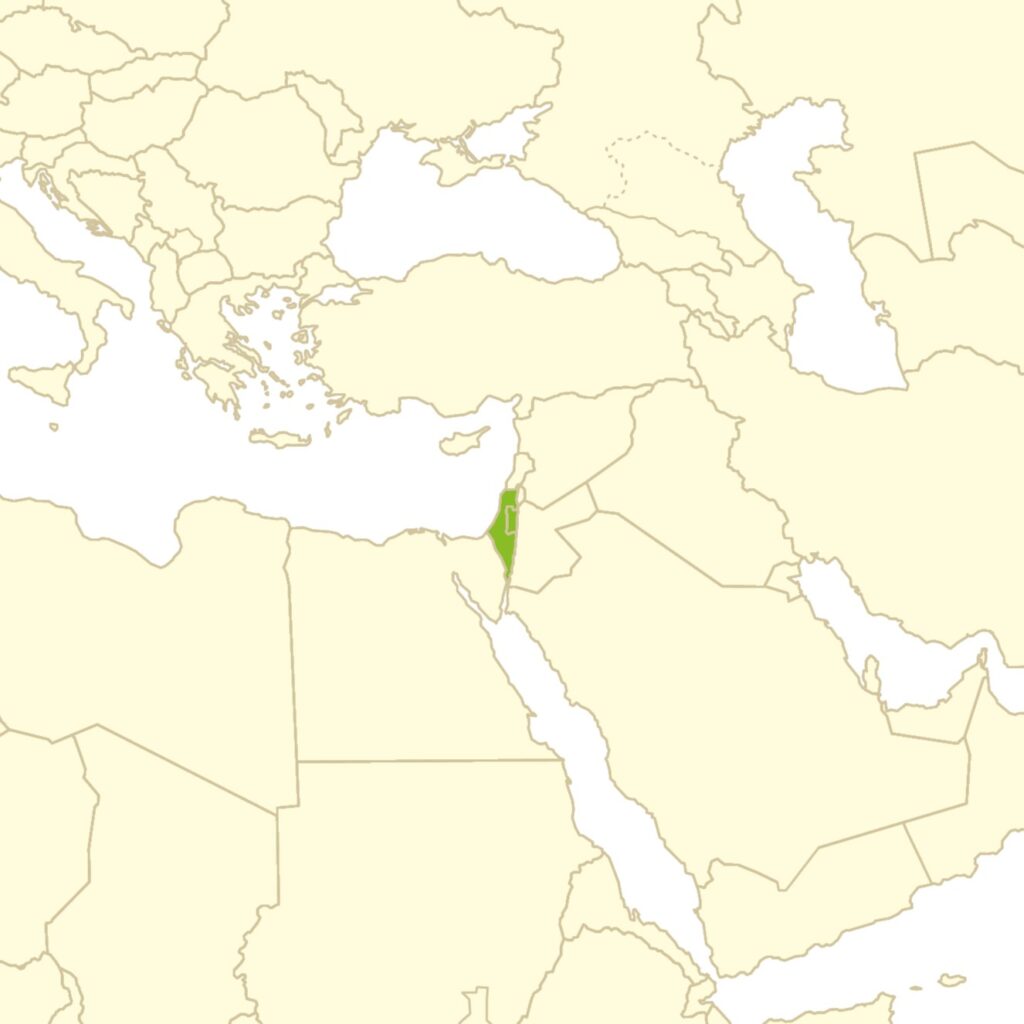
Situation Report
The year 2025 was marked by a humanitarian disaster of unprecedented proportions for the people of the Gaza Strip and the West Bank. The ongoing conflicts have largely destroyed the region’s infrastructure. In the Gaza Strip, most buildings lie in ruins, hospitals are closed down and supply chains for food, water and medicines have been severely disrupted. Around 90% of the more than two million inhabitants have been displaced several times within the region, fleeing active combat zones and losing almost everything they owned in the process.
The situation is dire and is deteriorating daily. There is a shortage of all basic necessities: drinking water, food, shelter and sanitary facilities. Internally displaced people often live in overcrowded tents or half-destroyed buildings without any privacy or security. Access to humanitarian aid is made extremely difficult by political restrictions and security conditions. Since March 2025, direct supply routes for international organisations have been blocked, and far too few relief supplies reached those in need also in the last year.
In the West Bank, where the economy has been severely affected, the situation is precarious as well. Many families have lost their livelihoods due to the ongoing war and find themselves without jobs or a social safety net. Particularly affected are those who were displaced from Gaza and sought refuge in the West Bank, as well as local families who have fallen into poverty as a result of the economic downturn. The psychological strain on the population is enormous: grief, fear and hopelessness characterise their daily lives. In this environment, Anugerah’s work is not merely a matter of ensuring survival, but an act that restores humanity, dignity and hope.
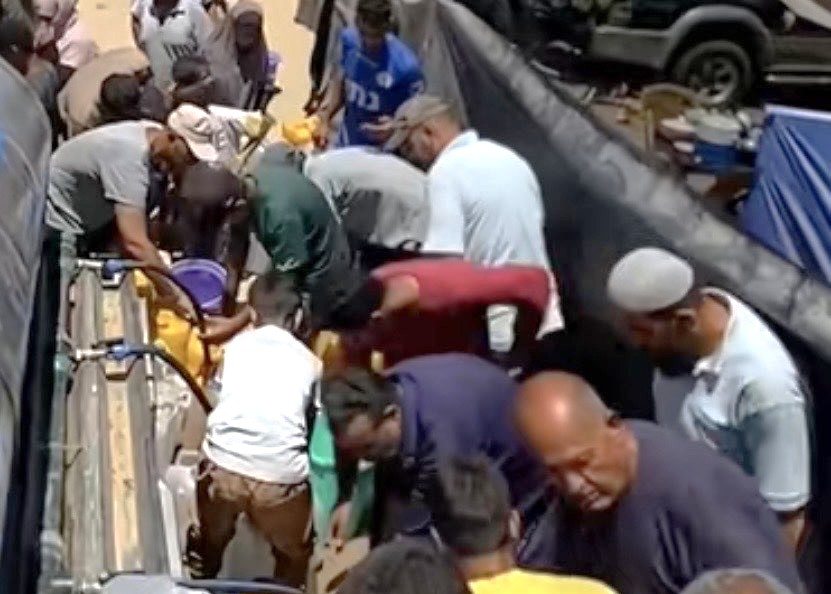
1. Aid for Survival and Provision of Food
During the difficult year of 2025, the association Anugerah provided vital aid to war victims in need through local partners. The most urgent task was to ensure their daily survival. In 2025, Anugerah focused on reaching the poorest and most socially vulnerable groups: widows, orphans, single parents, the sick and the elderly, who are often forgotten. By working with local partners who remained on the ground despite the dangers, regular food parcels as well as hot meals were distributed to refugee families in need at various locations across the Gaza Strip.
The distributions were tailored to the current emergency and security situation. Where direct distributions were not possible, alternative ways were found. In addition to food parcels, which contained staple foods such as rice, oil and flour, fresh meals as well as specialised food for children and pregnant women were also provided.
In the West Bank, similar measures were taken to support war victims stranded there as well as local families in need. Direct food aid was crucial in averting acute famine for many and stabilising the health of many affected people.
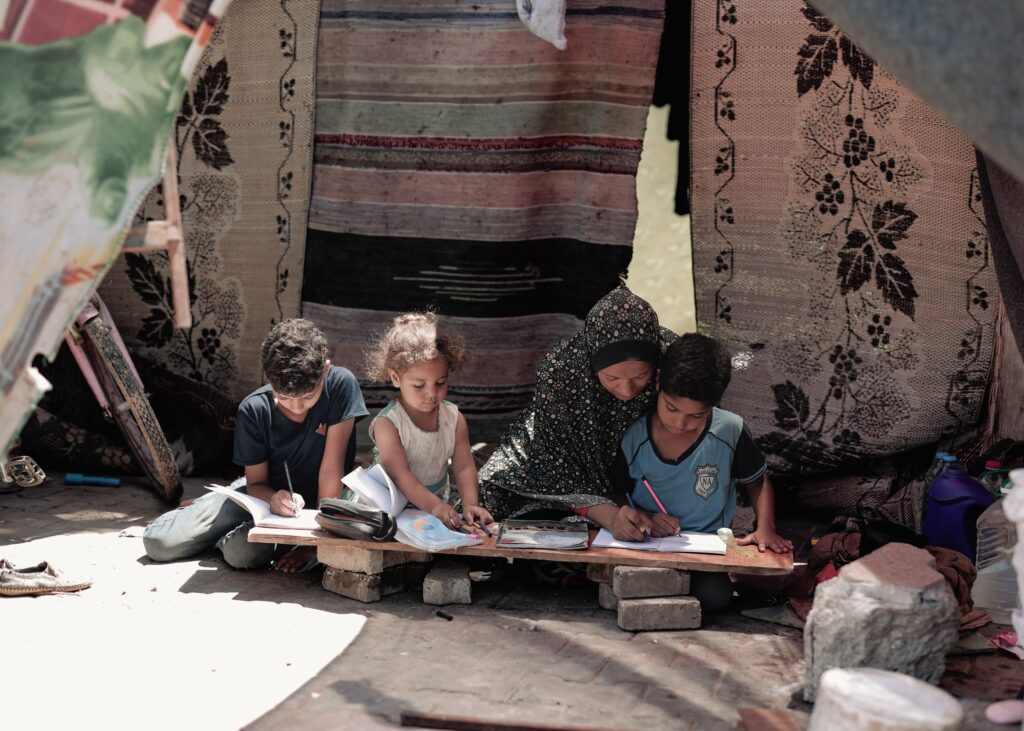
2. Shelter for Refugees
Because countless families have lost their homes, the provision of shelter was another key pillar of the aid provided. Refugees who were homeless were provided with shelter tents equipped with mattresses, blankets and essential cooking and crockery items. These tents not only offered families protection from the elements, but also a minimum level of privacy and security.
Similarly, the association Anugerah helped in the Palestinian West Bank by providing accommodation, particularly for stranded war victims from Gaza and for the most vulnerable families who have lost their income due to the ongoing war and who were left to fend for themselves without jobs or a social safety net. Moreover, basic medical care was ensured for refugees in the West Bank.
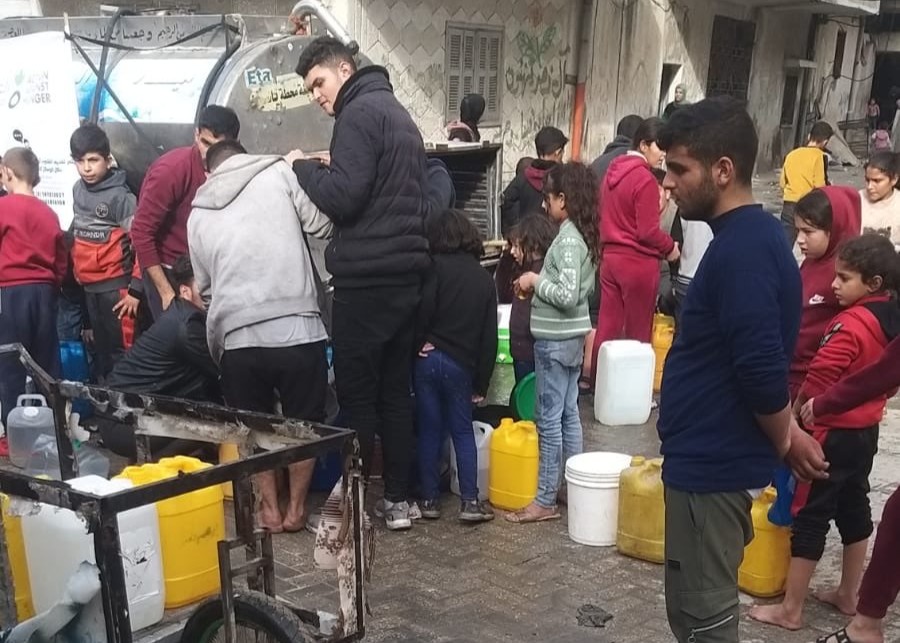
3. Water Supply and Basic Infrastructure
Another critical aspect was the water supply. Every day, drinking water – so precious in the Gaza Strip – was distributed to thousands of internally displaced families. To improve hygiene and curb the spread of disease, WASH centres (water, sanitation and hygiene) were set up at several locations. These included temporary camp showers and toilets for those living in tents. Solar-powered charging stations were also installed, enabling people to charge their mobile phones – a vital means of communicating with relatives and obtaining information about the security situation.
All of these emergency aid measures enabled the war-torn residents and displaced persons in the Gaza Strip and the West Bank to continue to survive and maintain their human dignity.
Project Summary
The projects supported by Anugerah in the West Bank and the Gaza Strip were carried out with great dedication and success during the challenging reporting year of 2025. Despite the extreme security situation, logistical obstacles and political restrictions, vital aid was provided to more than 80,000 people affected by the war. The focus was always on the poorest and most socially vulnerable, whose survival would scarcely have been assured without external aid.
The aim of Anugerah’s aid is always to strengthen the self-reliance and resilience of the local population and to instil hope in times of crisis. Relying on local persons and organisations has proved worthwhile. Local staff bring with them a passion for their own country and their fellow citizens. They understand the needs of the local people, are able to build trust with the beneficiaries and provide aid where it is most urgently needed. In the past year, they showed tremendous dedication, which contributed to the success of the projects.
Anugerah would therefore like to thank all donors whose support has made these aid projects possible. Without this solidarity, Anugerah’s comprehensive emergency aid would not have been feasible.