Indonesia
Education for Children with Special Needs
Situation report
It’s Ahmed’s first day at school – a special moment for any child, but for Ahmed and his family it is also a worrying day. Ahmed is 15 years old and has never been to school before. Due to a disability, he is severely physically and mentally impaired, and until now nobody thought it would be worthwhile for him to go to school.
Over the past few years, Anugerah’s partner has, whilst implementing projects, repeatedly come into contact with families in which children or even adults with disabilities live. In many families, these people are lovingly looked after and cared for to the best of their ability. However, the necessary knowledge, time and understanding to specifically foster and support them are lacking. In 2025, the first steps were taken to provide targeted support to such families.
In the initial phase, the main focus is on conducting a needs assessment: where are there people with special needs, and how have they been cared for and fostered so far? At the same time, the partner is identifying which services and aids are already available and how these can be utilised. On this basis, the partner intends to plan the next steps and examine possible measures.
The partner has already been able to help in the case of Ahmed. Since he has known the family for years, he has built up a good relationship with them. During the assessments, he discovered a special school nearby that offers suitable therapies for young people like Ahmed. The school agreed to teach Ahmed for one day a week, thereby supporting his development.
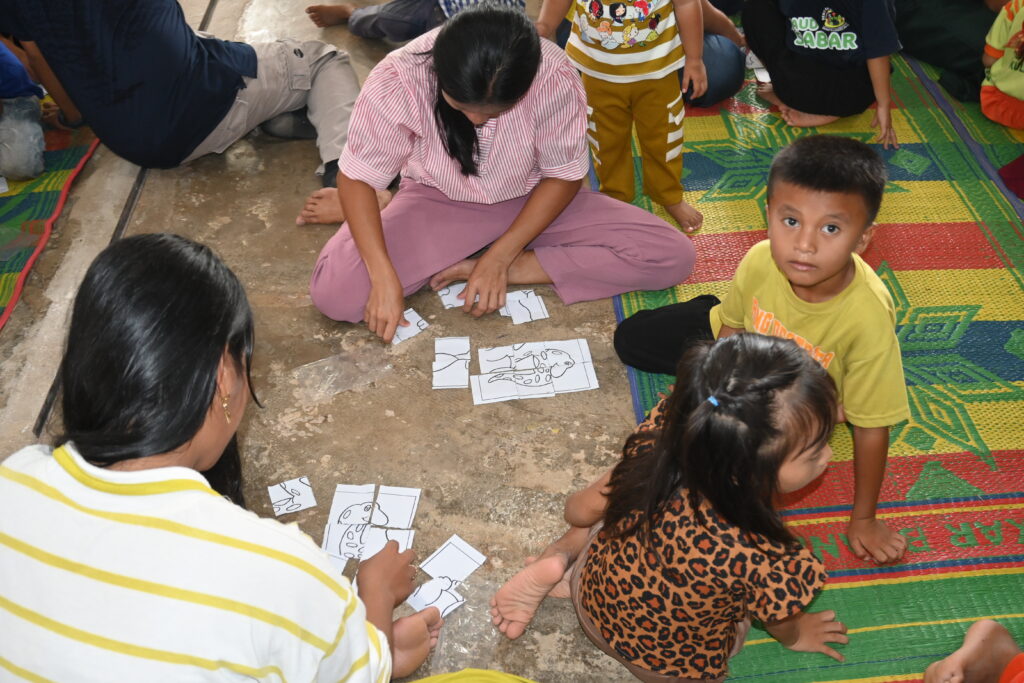
Alongside this new area of work, the partner also continued the other programmes during the reporting year. The pre-school is teaching 85 children; families are being supported in obtaining official documents; and ill or injured persons are receiving support and assistance with medical issues.
The mentoring programme for young people now has over 70 participants. The young people come from poor families and have little self-esteem or prospects for their future. The mentoring programme aims to break through this negative mindset and show these young people that they have the potential to learn and work, and that their negative past does not have to define their identity. Some of the young people have been in the programme for 10 years and have since completed their studies and found employment. They are now involved as leaders of the mentoring groups and continue to accompany other young people.
No payments were made to the partner organisation during the reporting year. Funds carried over from the previous year were utilised. Financial support for the partner organisation in Indonesia is planned again for the coming year.